

Every year, flu season arrives with the potential to disrupt families, schools, and communities. While annual flu vaccination is widely recommended for children, many parents wonder about the best timing to get the shot to ensure maximum protection. Understanding when and why to vaccinate can make a significant difference in your child’s immunity and overall health.
Why Flu Shots Matter for Children
Children are particularly vulnerable to influenza because their immune systems are still developing. According to the Centers for Disease Control and Prevention (CDC), kids under 5, and especially those under 2, are at higher risk for flu-related complications such as pneumonia, dehydration, and hospitalizations.
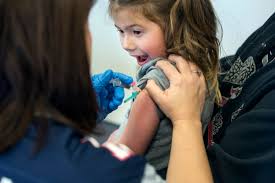
Vaccination not only protects your child but also helps reduce the spread of the virus to other family members, classmates, and vulnerable populations, including the elderly.
The Ideal Timing for Flu Vaccination
Flu season generally begins in the fall and peaks between December and February, though it can continue into late spring. The CDC recommends that children receive their flu vaccine by the end of October, ideally before the virus starts circulating widely.
Here’s why timing matters:
- Early Vaccination (August–September): Can provide protection before flu activity begins but may wane slightly by late winter in younger children.
- Optimal Window (September–October): Most experts agree this is the best time to vaccinate children to ensure immunity throughout the peak flu months.
- Late Vaccination (November–December): Still beneficial, especially for children who have not yet received their shot, but earlier is generally preferred.
Special Considerations for Young Children
For children under 9 years old receiving the flu vaccine for the first time, two doses are recommended, spaced at least four weeks apart. Timing the first dose in September ensures that the second dose is completed before the height of flu season.
Children with chronic health conditions such as asthma, diabetes, or heart disease may require additional monitoring and early vaccination to reduce the risk of severe illness.
Types of Flu Vaccines for Children
Flu vaccines for children come in different forms:
- Inactivated Influenza Vaccine (IIV): Administered as a shot, suitable for most children.
- Live Attenuated Influenza Vaccine (LAIV): Given as a nasal spray for children aged 2–8 years who are healthy and not immunocompromised.
Your pediatrician can recommend the best option based on your child’s age, health status, and any allergies.
Tips to Make Vaccination Easier for Kids
Flu shots can be intimidating for children, but these strategies can help:
- Explain Simply: Use age-appropriate language to describe the shot as a quick “superhero shield” for their body.
- Bring Comfort Items: A favorite toy or blanket can help ease anxiety.
- Use Distraction Techniques: Singing songs, deep breathing, or even storytelling can make the process smoother.
- Plan Rewards: Small rewards after vaccination can reinforce positive experiences.
Beyond Vaccination: Supporting Your Child’s Immunity
While the flu shot is the most effective defense, combining vaccination with healthy habits strengthens your child’s overall immunity:
- Encourage handwashing and good hygiene.
- Ensure adequate sleep and a balanced diet rich in fruits and vegetables.
- Promote regular physical activity.
- Keep your child home if they are sick to prevent spreading illness.
When to Seek Medical Advice
Contact your child’s pediatrician if they experience:
- Severe allergic reactions after a previous flu shot
- Fever or illness at the time of vaccination
- Concerns about chronic health conditions affecting immunity
Pediatricians can provide guidance on the safest timing and type of vaccine for your child’s specific needs.
Conclusion
The best time for your child to get a flu shot is generally by the end of October, before flu activity peaks. Early vaccination, especially for young children and those with chronic conditions, ensures robust protection throughout the season.
By planning ahead, using comfort strategies, and combining vaccination with healthy habits, you can help your child navigate flu season safely and confidently. Annual flu shots aren’t just a routine—they’re a crucial step in protecting your child’s health and the well-being of your family and community.