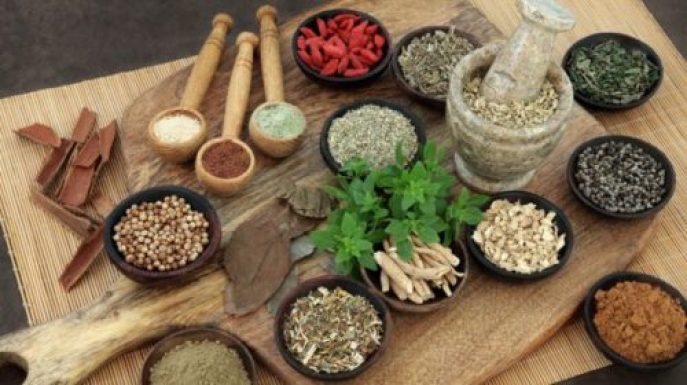
In today’s fast-paced world, where technology dominates our daily lives, it’s fascinating to see society turning back to the wisdom of the past. Ancient remedies — herbal teas, natural oils, meditation practices, and time-tested therapies — are experiencing a revival. People are rediscovering that traditional solutions often complement or even outperform modern medicine in certain situations, offering fewer side effects and a more holistic approach to well-being. This shift isn’t just a trend; it’s part of a larger movement toward mindful, natural living.
Why Ancient Remedies Are Becoming Popular Again
The renewed interest in ancient remedies can be traced to several factors. First, many people are concerned about the overuse of synthetic medications, which sometimes come with long lists of side effects. This has created a desire for natural alternatives that work with the body instead of against it. Second, wellness culture has exploded in recent years, with social media influencers, holistic health coaches, and wellness brands encouraging people to try traditional healing techniques.
Finally, science has caught up with tradition. Modern research is validating what ancient cultures already knew — that certain plants, minerals, and techniques have measurable healing properties. For instance, studies on turmeric have confirmed its powerful anti-inflammatory effects, aligning perfectly with its historic use in Ayurvedic medicine.
The Return of Herbal Medicine
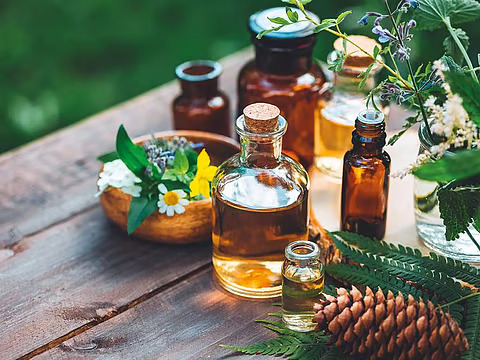
Herbal medicine is one of the most prominent examples of ancient remedies making a comeback. Cultures around the world have relied on plants to treat illnesses for thousands of years. Today, you can find everything from ginger shots to echinacea capsules at your local health food store.
- Turmeric: Traditionally used in India, turmeric is now famous worldwide for its ability to reduce inflammation and support joint health.
- Ashwagandha: This Ayurvedic herb is used to lower stress, improve energy levels, and balance hormones.
- Chamomile: Known for its calming properties, chamomile tea has become a bedtime staple for many who struggle with sleep.
- Ginseng: Widely used in Chinese medicine, ginseng is celebrated for boosting energy, strengthening immunity, and improving focus.
People are even growing medicinal herbs at home, turning their windowsills and balconies into mini apothecaries. The do-it-yourself approach makes herbal remedies accessible, affordable, and deeply personal.
The Healing Power of Traditional Therapies
Alongside herbal medicine, traditional therapies like acupuncture, cupping, and Ayurveda are gaining popularity. Acupuncture, once considered “alternative” in the West, is now recommended by many doctors for pain management and stress relief. Cupping therapy became a hot topic after Olympic athletes were seen sporting its trademark circular marks during competitions.

Ayurveda, one of the world’s oldest holistic healing systems, is being integrated into wellness retreats and spa treatments globally. From oil massages (abhyanga) to detoxifying diets, Ayurveda focuses on balancing the mind, body, and spirit — a concept many people find appealing in today’s high-stress environment.
Ancient Food Practices in Modern Diets
Ancient remedies aren’t limited to herbs and therapies; they also include food practices. The rise of bone broth, fermented foods, and intermittent fasting shows how much we’re borrowing from the past.
- Bone Broth: Traditionally simmered for hours to extract minerals, it’s prized for supporting gut health and joint strength.
- Fermented Foods: Kimchi, kefir, miso, and sauerkraut are full of probiotics that boost gut health — a cornerstone of overall wellness.
- Fasting: Once tied to spiritual rituals, fasting is now seen as a powerful way to reset metabolism, reduce inflammation, and improve longevity.
These practices highlight a key theme: what was once done out of necessity is now being embraced as a lifestyle choice.
The Role of Essential Oils
Essential oils have been used since ancient Egypt, where they were valued for their therapeutic and spiritual benefits. Today, oils like lavender, peppermint, and tea tree are part of many people’s daily routines.
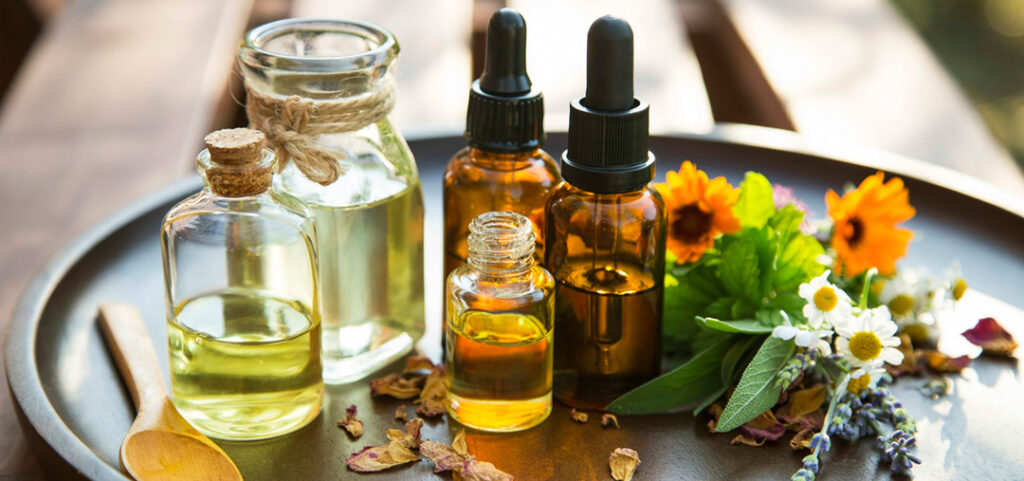
- Lavender Oil: Used for relaxation and better sleep.
- Peppermint Oil: Helps with headaches, nausea, and improving focus.
- Tea Tree Oil: A natural antimicrobial that’s great for skin health.
Essential oils are popular because they are versatile — they can be diffused, applied topically (when diluted), or even added to cleaning products for a chemical-free home.
Meditation, Yoga, and Mindfulness
Not all ancient remedies are physical — some are mental and spiritual. Meditation and yoga, rooted in ancient Indian tradition, are now global phenomena. People practice them to reduce stress, improve focus, and enhance emotional balance.
Modern workplaces are even incorporating mindfulness programs, allowing employees to take short meditation breaks to improve productivity and mental well-being. The science backs this up: studies show that regular meditation can lower blood pressure, boost mood, and even change brain structure in positive ways.
Science Meets Tradition
The credibility of ancient remedies has grown as scientific studies continue to confirm their benefits. For example, research on acupuncture has shown its effectiveness in treating chronic pain and migraines. Studies on probiotics have confirmed their role in improving gut health, immunity, and even mental health through the gut-brain connection.
This marriage of science and tradition is reassuring for skeptics — proving that these aren’t just “old wives’ tales” but legitimate, evidence-backed practices.
Things to Keep in Mind
While ancient remedies can be powerful, they should be used wisely. Not all herbs are safe for everyone, and some can interact with medications. It’s always best to consult a qualified health professional before starting a new regimen, especially for those with chronic conditions or pregnant women.
Additionally, it’s important to use high-quality products. For instance, essential oils should be pure and therapeutic grade, and herbs should come from reputable sources to avoid contamination.
The Future of Wellness
The revival of ancient remedies shows no sign of slowing down. In fact, we may see even more integration between traditional practices and modern medicine. Hospitals and clinics are already offering complementary therapies like yoga classes, meditation sessions, and nutrition counseling that incorporate ancient wisdom.
This blending of old and new may represent the future of healthcare — a system that treats not just symptoms but the whole person.
Final Thoughts
Ancient remedies are making a modern comeback because they offer something many people are searching for: natural, holistic solutions that work. Whether it’s sipping turmeric tea, diffusing lavender oil, or practicing meditation, these practices connect us with centuries of wisdom while helping us live healthier, more balanced lives.
By embracing the best of both worlds — ancient knowledge and modern science — we can create a lifestyle that promotes lasting well-being. Sometimes, the answers we seek have been with us all along, waiting for us to rediscover them.