
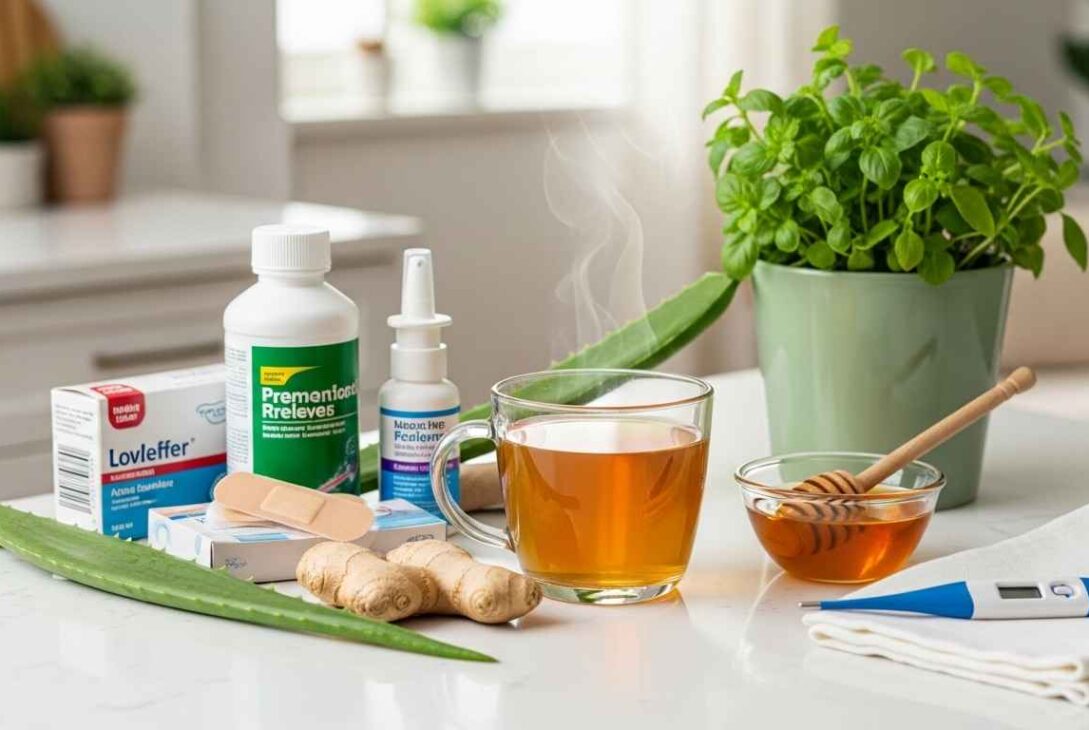
In today’s fast-paced world, dealing with minor health issues quickly and effectively is essential. While severe illnesses require professional care, many common health problems can be managed safely at home with simple remedies and lifestyle adjustments. From headaches and indigestion to colds and minor cuts, knowing the right solutions can save time, reduce discomfort, and promote faster recovery.
In this article, we explore practical, science-backed strategies for addressing everyday health issues at home.
1. Headaches and Migraines
Headaches are among the most common complaints and can range from mild tension headaches to severe migraines.
Quick Solutions:
- Hydration: Dehydration is a frequent trigger. Drink water or electrolyte-rich fluids.
- Cold or Warm Compress: Apply a cold pack to the forehead for tension relief or a warm compress on the neck to relax muscles.
- Caffeine in Moderation: A small cup of coffee or tea can alleviate headache pain, but avoid overconsumption.
- Stress Reduction: Deep breathing, meditation, or gentle stretching can reduce tension headaches.

For persistent or severe headaches, consult a healthcare professional.
2. Indigestion and Heartburn
Digestive discomfort, such as bloating or heartburn, is common, especially after heavy meals.
Quick Solutions:
- Stay Upright: Avoid lying down immediately after eating to prevent acid reflux.
- Ginger or Peppermint: Ginger tea or peppermint capsules can soothe the stomach.
- Small, Frequent Meals: Eating smaller portions helps prevent overloading the digestive system.
- Hydration: Sip water throughout the day to aid digestion.

If symptoms persist or worsen, it could indicate a more serious gastrointestinal issue.
3. Common Cold and Congestion
Seasonal colds are unavoidable, but symptoms can be managed to feel better faster.
Quick Solutions:
- Rest: Give your body time to fight infection.
- Steam Inhalation: Breathing in steam from hot water or a shower can clear nasal passages.
- Hydration: Warm fluids like herbal tea or broth keep mucus thin and relieve congestion.
- Honey and Lemon: A mixture of honey and lemon in warm water can soothe a sore throat and suppress cough.
Over-the-counter cold remedies can help manage symptoms, but antibiotics are not effective against viral infections.
4. Minor Cuts and Scrapes
Small wounds are common in daily life, but proper care prevents infection and speeds healing.
Quick Solutions:
- Clean the Wound: Rinse with clean water to remove dirt and debris.
- Antiseptic Application: Use antiseptic solutions or ointments to reduce infection risk.
- Cover and Protect: Apply a clean bandage or sterile dressing.
- Monitor Healing: Change the dressing daily and watch for signs of infection such as redness, swelling, or pus.
Most minor cuts heal within a few days with proper care.
5. Muscle Aches and Minor Sprains
Muscle soreness or minor sprains can result from exercise, overexertion, or accidents.
Quick Solutions:
- Rest: Avoid using the injured area excessively.
- Ice Therapy: Apply ice packs for 15–20 minutes several times a day to reduce swelling.
- Compression: Use elastic bandages to support the area and minimize inflammation.
- Elevation: Elevate the affected limb above heart level to reduce swelling.
- Gentle Stretching: Once pain improves, gentle stretching can restore flexibility.
Severe injuries, persistent pain, or limited mobility require medical evaluation.
6. Upset Stomach and Nausea
Upset stomach can occur from food intolerance, stress, or mild infections.
Quick Solutions:
- Hydration: Sip small amounts of water, ginger tea, or electrolyte drinks.
- BRAT Diet: Bananas, rice, applesauce, and toast are gentle on the stomach.
- Avoid Irritants: Steer clear of caffeine, alcohol, and greasy foods until symptoms improve.
- Rest: Give your digestive system time to recover.
Persistent vomiting, severe abdominal pain, or blood in stool requires immediate medical attention.
7. Allergies and Seasonal Reactions
Allergic reactions to pollen, dust, or pets are common, especially in certain seasons.
Quick Solutions:
- Avoid Triggers: Keep windows closed during high pollen seasons and regularly clean living spaces.
- Cold Compress: Apply to itchy or swollen eyes for relief.
- Saline Rinse: Nasal irrigation can clear allergens from the sinuses.
- Over-the-Counter Antihistamines: Help reduce itching, sneezing, and watery eyes.
Severe allergic reactions with difficulty breathing or swelling require emergency care.
8. Fatigue and Low Energy
Everyday fatigue can reduce productivity and wellness but is often manageable at home.
Quick Solutions:
- Balanced Diet: Include whole grains, protein, and fruits/vegetables to maintain steady energy.
- Hydration: Dehydration can cause tiredness—drink water throughout the day.
- Short Naps: A 20–30 minute nap can restore alertness without affecting nighttime sleep.
- Exercise: Regular physical activity increases energy levels and reduces stress.
Chronic fatigue may indicate underlying health issues and should be evaluated by a healthcare provider.
Conclusion
Many common health problems can be effectively managed at home with simple, practical solutions. From headaches and indigestion to colds and minor injuries, knowing quick remedies and lifestyle adjustments helps you feel better faster and prevents complications. While home care is effective for minor ailments, it’s important to recognize when professional medical attention is necessary.
By incorporating these strategies into daily life, you can improve comfort, promote faster recovery, and maintain overall health and wellness.