
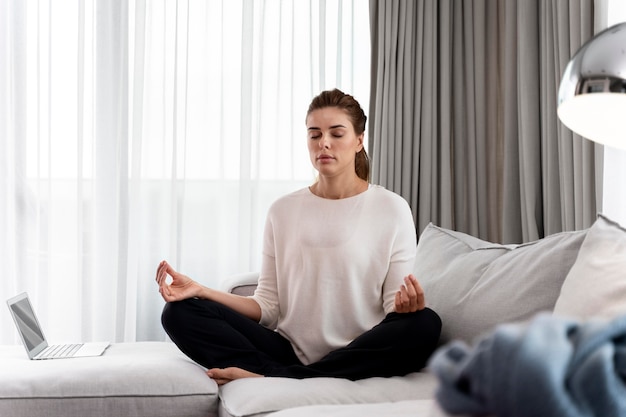
When life gets overwhelming, your breath is one of the most powerful tools you have. Stress and anxiety often cause shallow, rapid breathing, which can make you feel even more tense. Learning to control your breath can calm the nervous system, lower stress hormones, and bring back a sense of balance.
Why Breathing Matters for Stress Relief
Breathing is more than just oxygen exchange—it directly affects the nervous system. Shallow breathing signals the body to stay in “fight or flight” mode, while slow, deep breathing activates the parasympathetic nervous system, also known as the “rest and digest” state. This shift reduces heart rate, relaxes muscles, and helps the mind feel more centered.
Effective Breathing Techniques for Calmness
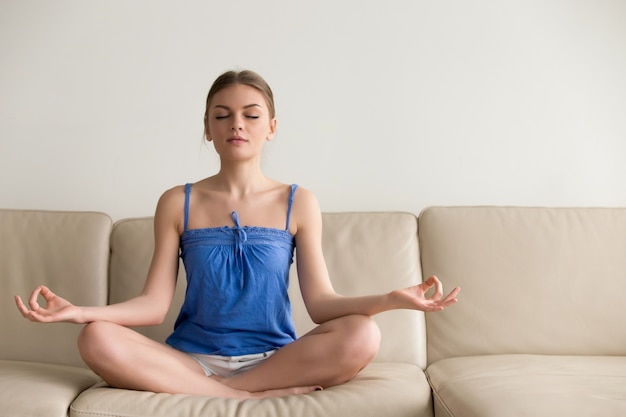
1. Diaphragmatic Breathing (Belly Breathing)
- How it helps: Encourages full oxygen exchange, slowing heartbeat and stabilizing blood pressure.
- How to do it:
- Sit or lie down in a comfortable position.
- Place one hand on your chest and the other on your belly.
- Inhale deeply through your nose, letting your belly rise.
- Exhale slowly through pursed lips, feeling your belly fall.
- Repeat for 5–10 minutes.
2. Box Breathing (4-4-4-4 Method)
- How it helps: Used by Navy SEALs to stay calm under pressure. It balances oxygen and carbon dioxide levels while reducing stress.
- How to do it:
- Inhale through your nose for a count of 4.
- Hold your breath for a count of 4.
- Exhale slowly for a count of 4.
- Hold again for a count of 4.
- Repeat 4–5 rounds.
3. 4-7-8 Breathing
- How it helps: Calms the nervous system and helps with anxiety, stress, and even sleep.
- How to do it:
- Inhale through your nose for 4 counts.
- Hold your breath for 7 counts.
- Exhale slowly through your mouth for 8 counts.
- Practice for 4 cycles, gradually increasing as you get comfortable.
4. Alternate Nostril Breathing (Nadi Shodhana)
- How it helps: A yoga-based practice that balances the mind and relieves anxiety.
- How to do it:
- Sit upright and relax.
- Close your right nostril with your thumb and inhale through the left nostril.
- Close the left nostril with your ring finger and exhale through the right nostril.
- Inhale through the right nostril, then switch and exhale through the left.
- Continue for 5–10 rounds.
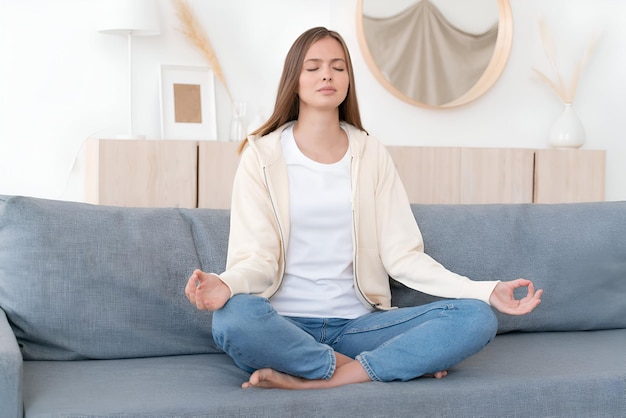
5. Resonance Breathing (Coherent Breathing)
- How it helps: Promotes relaxation by synchronizing heart rate and breath.
- How to do it:
- Inhale through your nose for 5–6 seconds.
- Exhale through your nose for 5–6 seconds.
- Continue for 10–20 minutes.
Tips for Success
- Practice in a quiet space without distractions.
- Stay consistent—just 5–10 minutes daily can make a difference.
- Pair breathing with meditation or calming music for deeper relaxation.
- Use these techniques before stressful events, meetings, or bedtime.
Final Thoughts
Breathing techniques are simple yet powerful tools to calm stress and anxiety. Whether you choose diaphragmatic breathing, box breathing, or alternate nostril breathing, consistent practice can re-train your body to relax and stay centered, even in stressful situations.
Your breath is always with you—use it to restore peace and balance whenever life feels overwhelming.