
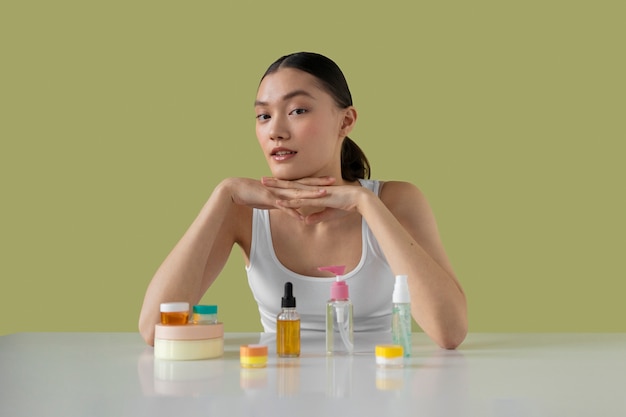
Walking down the skincare aisle can feel like stepping into a philosophical debate: Natural versus Chemical. Brands fiercely market “organic” and “plant-based” ingredients, while others champion cutting-edge “scientific” compounds. The truth is, the distinction between “natural” and “chemical” is largely a matter of marketing, and it often obscures what really matters: efficacy, safety, and formulation. Here’s a breakdown of the facts to help you choose what’s best for your skin.
Understanding the Terms: It’s All Chemistry
The most important thing to realize is that everything is a chemical.
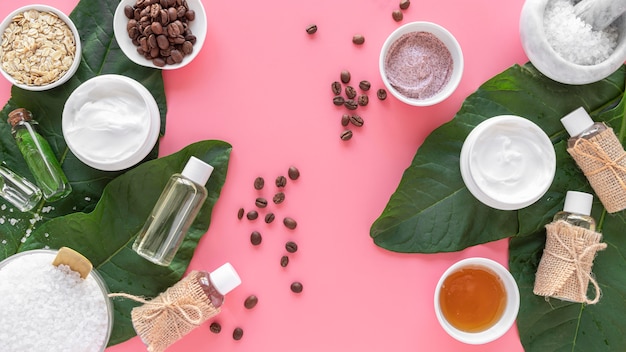
- “Natural” Products: These contain ingredients derived directly from nature, such as plants, minerals, or animals (e.g., coconut oil, aloe vera, turmeric, clay). But every substance, including water (H2O), is a chemical compound. Natural ingredients are often complex mixtures that contain hundreds of chemicals.
- “Chemical” or “Synthetic” Products: These contain ingredients that are created in a lab (e.g., retinol, hyaluronic acid, ceramides). However, many synthetic ingredients are nature-identical, meaning they are molecularly identical to the version found in nature but are created in a controlled lab setting for purity and stability.
The debate, therefore, should not be about natural versus chemical, but about whole extracts versus isolated, pure compounds.
The Case for Synthetic (Chemical) Ingredients 🔬
Synthetic ingredients are often the heroes of modern skincare, offering stability, purity, and targeted action.
- Purity and Consistency: Lab-created ingredients, like pure Hyaluronic Acid or Ascorbic Acid (pure Vitamin C), are guaranteed to be the same concentration and quality every time. Natural extracts can vary widely based on soil quality, harvest time, and processing.
- Targeted Efficacy: Scientists can isolate the single, most effective molecule from a plant—like creating Salicylic Acid (BHA) in a lab—to ensure maximum impact without the potential irritants found in the whole plant extract.
- Stability: Many natural ingredients, like some vitamins, are highly unstable and degrade quickly when exposed to light, air, or heat. Synthetic versions are often engineered with delivery systems and stabilizers to ensure they remain potent until they reach your skin.
The Case for Natural (Plant-Based) Ingredients 🌱
Natural ingredients bring benefits that pure synthesis often misses, primarily through synergistic action.
- Synergy: Whole plant extracts contain a complex cocktail of compounds (e.g., vitamins, minerals, antioxidants) that work together in a synergistic way. Aloe Vera, for example, is not just one soothing compound, but a mix of hundreds that contribute to its anti-inflammatory and healing properties.
- Historical Safety: Ingredients like Chamomile, Green Tea, and Oats have centuries of safe use, making them highly reliable for sensitive or irritated skin.
- Sustainability (Sometimes): Many natural ingredients are sourced from sustainable farming practices, appealing to consumers looking for an eco-conscious product, though this is not universally true.
The Key Takeaway: Focus on Formulation and Skin Needs
Instead of obsessing over the natural/chemical label, focus on these three factors:
- Safety: Look for products that are Paraben-free, Phthalate-free, and Fragrance-free (fragrance is a common irritant, whether natural or synthetic).
- Concentration: Does the product contain enough of the key ingredient to actually work? A “natural” product with a minuscule amount of aloe vera is less effective than a potent synthetic serum.
- Your Skin: Patch test everything. Your skin might react poorly to a “natural” essential oil, but tolerate a strong, lab-created Retinoid. Conversely, your skin might prefer the gentle synergy of a whole plant extract.
The best skincare routine is almost always a thoughtful hybrid—one that harnesses the pure power of lab-created actives (like Retinol or Hyaluronic Acid) and soothes the skin with the gentle, complex synergy of natural botanicals (like Aloe or Chamomile). Don’t let marketing terms guide you; let the ingredients and your skin guide your choice.