
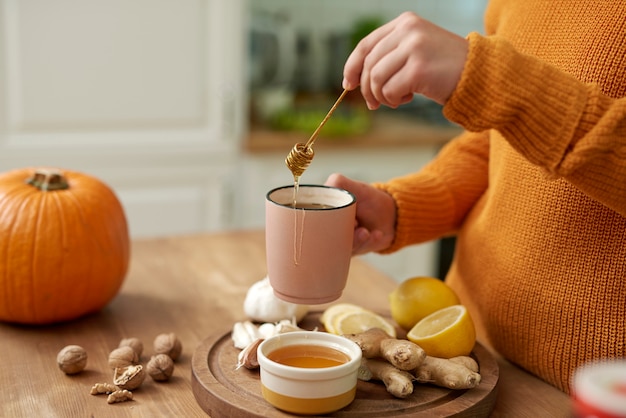
The liver is a metabolic powerhouse, working 24/7 to filter toxins, process nutrients, and regulate crucial body functions. It doesn’t need a trendy “cleanse” or harsh detox pills; it simply needs the right raw materials and gentle support to perform its job efficiently.
Supporting your liver naturally involves integrating specific, powerful foods and habits that optimize its two primary phases of detoxification.
1. 💧 The Foundation: Hydration and Flushing
The first step in any detox process is ensuring waste products can be moved out of the body efficiently. Water is the solvent that facilitates this.
A. Lemon Water Ritual
Starting the day with warm water and lemon juice is a simple, powerful tool.
- Action: Lemon is rich in Vitamin C, a key antioxidant needed for detoxification pathways. Furthermore, the slightly acidic nature of the lemon can help stimulate bile production. Bile is the carrier that packages and removes toxins processed by the liver.
- How to Use: Squeeze half a fresh lemon into a glass of warm (not hot) water and drink first thing in the morning, 20 minutes before consuming food.

B. Dandelion Root Tea
Dandelion is a recognized traditional herbal remedy specifically for the liver.
- Action: Dandelion acts as a gentle diuretic and is known to stimulate bile flow, which helps the liver break down fats and remove metabolic waste.
- How to Use: Brew a tea using dried dandelion root.
2. 🥦 The Food Toolkit: Supplying Detox Nutrients
The liver’s two phases of detoxification (Phase I and Phase II) rely on specific micronutrients and antioxidants to neutralize and then eliminate toxins.
A. Sulfur-Rich Vegetables
These are the heavy lifters of Phase II detoxification, providing essential sulfur compounds.
- Key Foods: Broccoli, Cauliflower, Cabbage, Brussels Sprouts, and Garlic.
- Action: Sulfur compounds (like glucosinolates in cruciferous vegetables) are crucial for the detoxification of hormones and environmental toxins. Garlic and onions contain allicin, which supports antioxidant defenses.
- Tip: Try to eat at least one serving of a sulfur-rich vegetable daily, preferably lightly steamed or roasted to retain nutrients.
B. Beets and Carrots (The Red & Orange Power)
These root vegetables are rich in specific nutrients that aid liver function.
- Key Nutrients: Beets are rich in betalains (powerful antioxidants) and pectin (a fiber that helps clear toxins from the digestive tract). Carrots are high in beta-carotene and flavonoids.
- Action: These compounds assist in the breakdown of fats and support overall bile health, keeping the detox pathways flowing freely.
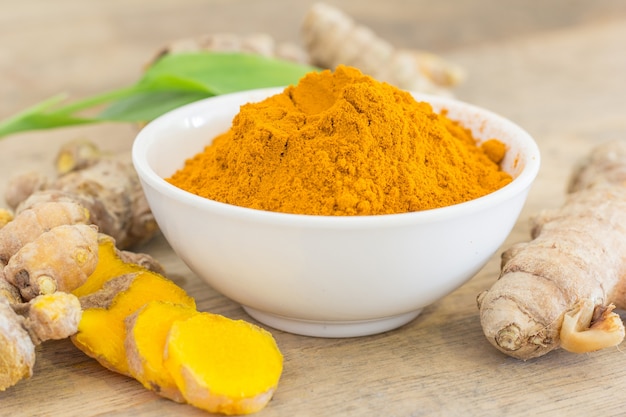
C. Turmeric (The Anti-Inflammatory Star)
The active compound in turmeric, curcumin, is perhaps the most famous natural anti-inflammatory agent.
- Action: Curcumin helps protect liver cells from oxidative stress and is known to enhance the production of enzymes that aid in both detox phases.
- How to Use: Incorporate turmeric generously into cooking, or mix $1/2$ teaspoon of turmeric with a pinch of black pepper (which aids absorption) into warm milk or a smoothie.
3. 💤 Lifestyle Support: Giving the Liver a Break
The liver works best when the body is in a state of rest and repair.
- Prioritize Sleep: The body’s major repair and regeneration processes, including significant liver work, happen during deep sleep cycles. 7-9 hours of quality sleep is non-negotiable for liver support.
- Reduce Chemical Load: The best way to support your filter is to reduce what it has to filter.
- Limit alcohol consumption.
- Reduce intake of processed foods and refined sugars, which create a high metabolic burden on the liver.
- Be mindful of unnecessary chemical exposure in household cleaning products and personal care items.
By focusing on these practical, nutrient-dense home remedies and lifestyle adjustments, you give your liver the tools it needs to sustain its vital detox work—naturally and effectively.