
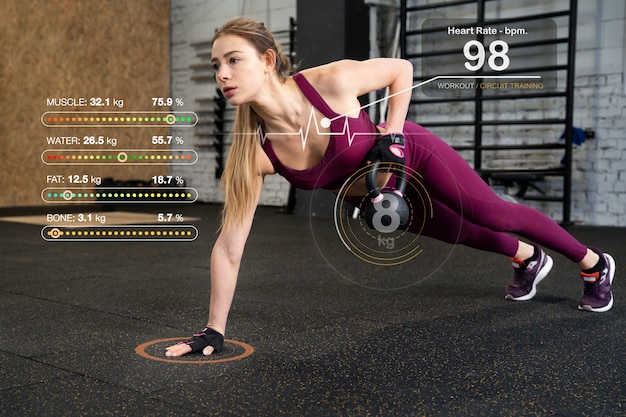
Starting a fitness journey is easy; staying motivated for the long haul is the real challenge. The common mistake is relying solely on the bathroom scale, which often doesn’t tell the full story. True progress is multi-faceted, involving strength gains, endurance improvements, and mental resilience. Learning how to effectively track your progress is the secret weapon against burnout, providing tangible proof that your hard work is paying off and keeping your motivation levels sky-high.
Phase 1: Tracking Beyond the Scale (The Real Metrics) 📏
Weight loss can be slow, but your body changes daily. Focus on these non-scale metrics to see genuine progress.
1. Performance Tracking (The Numbers that Matter)
- Strength: Keep a workout journal. Track the weight, sets, and reps for your key compound lifts (squats, deadlifts, presses). When you can lift 5 more pounds or do 2 more reps, that is measurable, undeniable progress.
- Endurance: Time your cardiovascular efforts. If you can run the same mile distance 30 seconds faster this week than last, or if you can hold a plank for 15 seconds longer, you’re improving your engine.
- Record Your Personal Bests (PBs): A PB isn’t just a record; it’s a monumental psychological win that fuels your motivation for weeks.

2. Body Composition (The Visual Evidence)
- Measurements: Use a simple tape measure to track circumference changes. Measure your waist, hips, chest, and arms every 4-6 weeks. Muscle is denser than fat, so your weight might stay the same while your waist measurement shrinks.
- Progress Photos: This is your most powerful tool. Take pictures (front, back, and side) in the same lighting and clothes every 4 weeks. Digital photos reveal changes that you miss daily in the mirror, especially changes in posture and muscle definition.
- How Clothes Fit: This is the most rewarding metric. If your old jeans are loose or your shirt fits tighter across the shoulders, that feedback is more motivating than any number on a scale.
3. Wellness and Mood (The Mental Metrics)
- Sleep Quality: Are you falling asleep faster? Are you waking up with more energy? Improved sleep is a direct benefit of consistent exercise.
- Energy Levels: Track your afternoon slump. Do you have more sustained energy throughout the workday?
- Mood: Are you less stressed, less anxious, or more patient? Use a journal or a simple rating system to track your mood before and after your workouts.
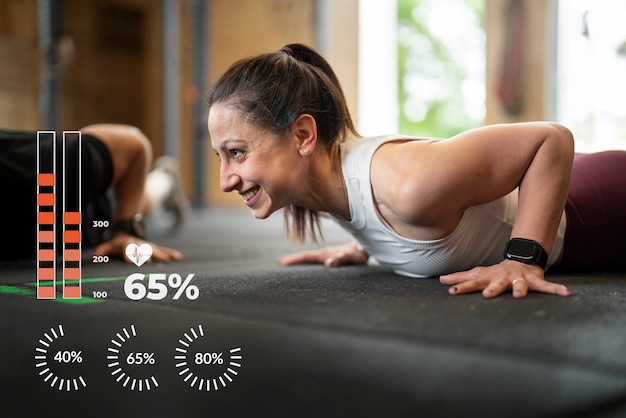
Phase 2: Staying Motivated (The Mindset Shift) ✨
Tracking progress is great, but consistency requires psychological tools to keep you engaged.
- Set SMART Goals: Don’t just aim to “get fit.” Set goals that are Specific, Measurable, Achievable, Relevant, and Time-bound. Example: “I will run a 10K race in November,” or “I will increase my squat weight by 20 lbs in 8 weeks.”
- Find Your Community: Whether it’s a gym buddy, an online accountability group, or a class, shared struggle builds motivation. Knowing someone is waiting for you is a powerful motivator to show up.
- Reward Milestones (Non-Food Rewards): Give yourself credit for reaching specific goals. Buy a new piece of workout gear, book a massage, or take a guilt-free day off. Tie the reward to the accomplishment, not to the outcome.
- Embrace the “Messy Middle”: Motivation is fleeting. Consistency is a choice. On days when you don’t feel like training, remember the tracking data—remember the last personal best you hit. Aim for a “good enough” workout (even 15 minutes of movement) instead of aiming for perfection or nothing at all.
Visited 6 times, 1 visit(s) today