

Whether you’ve overdone it at the gym, slept in an awkward position, or spent too long hunched over your keyboard, muscle pain and stiffness are common annoyances. The good news is that most mild cases can be managed effectively right at home with simple, DIY remedies.
Here are the best natural and accessible solutions to soothe your sore muscles and get you moving again.
🥶 Heat and Ice: The Classic Duo
Using temperature is one of the fastest ways to address immediate pain and inflammation.
- Ice First (The First 48 Hours): For new, acute muscle pain or strain, cold therapy helps reduce inflammation and numb the pain. Apply an ice pack (wrapped in a thin towel) to the affected area for 15–20 minutes, several times a day.
- Tip: A bag of frozen peas works perfectly as a conforming ice pack.
- Heat Later (After 48 Hours): Once the initial swelling subsides, switch to heat therapy. Heat increases blood flow to the muscle, which helps relax tight tissue and speed up the healing process. Use a heating pad, a warm compress, or take a hot bath for 15–20 minutes.

🛀 Soothing Soaks and Creams
Relaxing your body can go a long way in relieving tension and stiffness.
- Epsom Salt Bath: Epsom salt (magnesium sulfate) is a natural muscle relaxer. Dissolve two cups of Epsom salt in a warm bath and soak for 20 minutes. The magnesium can be absorbed through the skin, helping to reduce inflammation and ease muscle cramps.
- Topical Relief: Over-the-counter creams containing ingredients like menthol or capsaicin can provide a localized warming or cooling sensation that distracts the nerves and offers temporary pain relief. Always test a small patch of skin first.
🧘♀️ Gentle Movement and Stretching
While rest is important for an injured muscle, complete immobility can actually worsen stiffness.
- Rest, But Don’t Freeze: In the first day, rest the painful muscle. However, after that, perform gentle, slow range-of-motion movements to keep the blood flowing and prevent the muscle from seizing up completely.
- Static Stretching: Light, sustained stretches are excellent for relieving stiffness. Hold a stretch for 20–30 seconds, ensuring you do not bounce. Only stretch to the point of a mild pull, never to sharp pain.
- Foam Rolling: For stubborn knots (trigger points), a foam roller or even a tennis ball can be used to apply direct pressure. Roll slowly over the tight area for 30–60 seconds to perform a self-myofascial release.
💧 Hydration and Nutrition
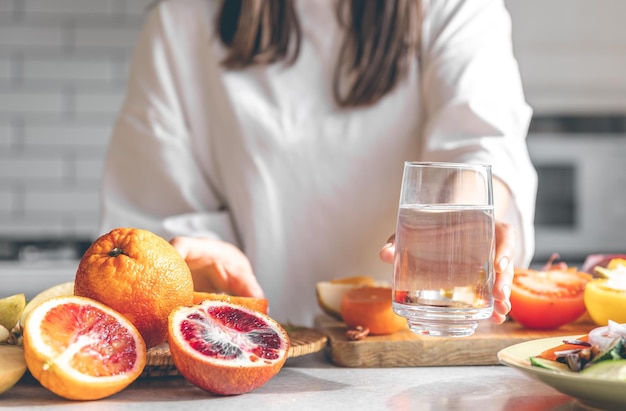
Your muscles need the right fuel to repair themselves.
- Stay Hydrated: Dehydration can lead to muscle cramps and hinder the removal of metabolic waste products (like lactic acid) that contribute to soreness. Drink plenty of water throughout the day.
- Anti-Inflammatory Foods: Incorporate foods known for their anti-inflammatory properties, such as:
- Turmeric (contains curcumin)
- Ginger
- Fatty fish (rich in Omega-3s)
- Cherries or cherry juice
🛑 When to See a Doctor:
While DIY solutions are great for typical soreness, seek medical attention if:
- The pain is severe, sudden, or debilitating.
- The pain is accompanied by fever, chills, or difficulty breathing.
- The stiffness persists for more than a few days despite home treatment.